
AI is trained to spot warning signs in blood tests
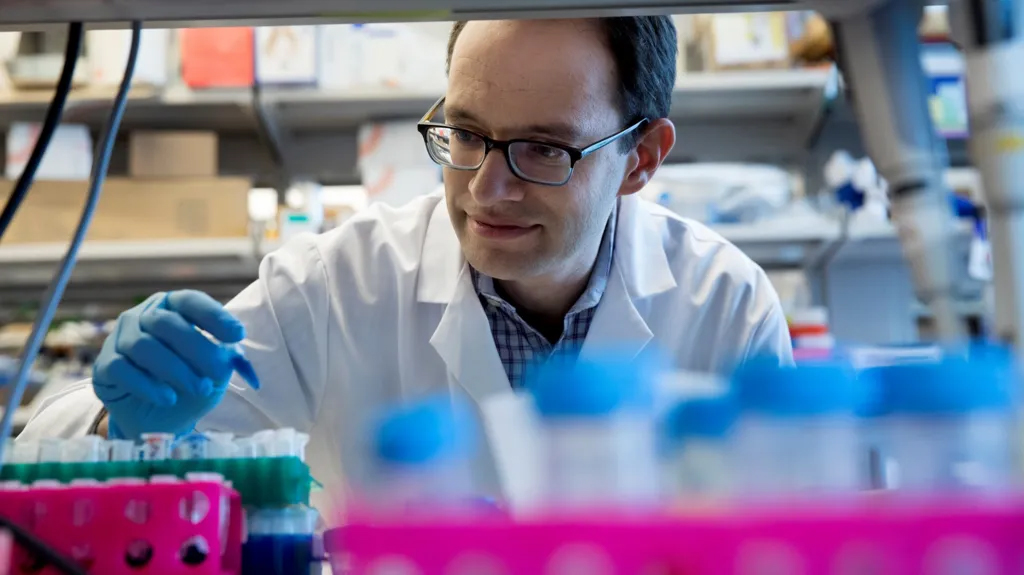
Dr Daniel Heller is a biomedical engineer at Memorial Sloan Kettering Cancer Center in New York.
His team have been developed a testing technology which uses nanotubes - tiny tubes of carbon which are around 50,000 times smaller than the diameter of a human hair.
About 20 years ago, scientists began discovering nanotubes that can emit fluorescent light.
In the past decade, researchers learned how to change these nanotubes' properties so they respond to almost anything in the blood.
Now it is possible to put millions of nanotubes into a blood sample and have them emit different wavelengths of light based on what sticks to them.
But that still left the question of interpreting the signal, which Dr Heller likens to finding a match for a fingerprint.
In this case the fingerprint is a pattern of molecules binding to sensors, with different sensitivities and binding strengths.